From Concept to Completion: Custom Media Center in Farmers Branch TX
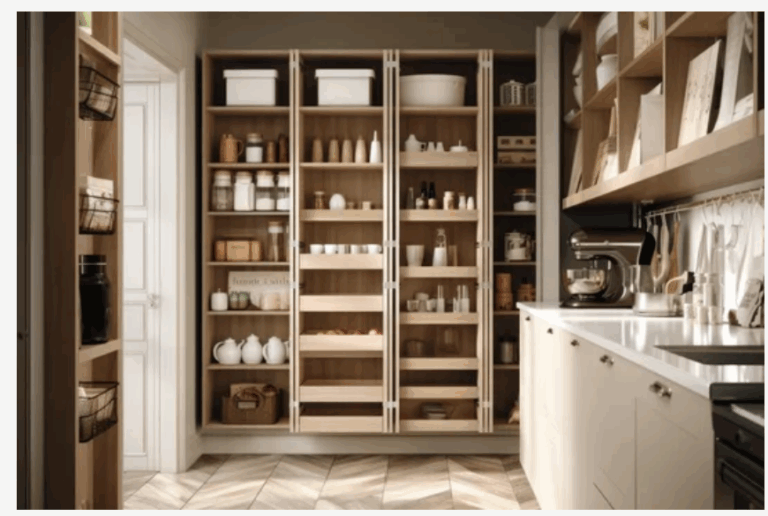
A well-built media center does more than hold a television. It organizes a room, hides visual clutter, supports the way a family actually lives, and often becomes the architectural anchor of the space. When homeowners start talking about a Custom Media Center in Farmers Branch TX, the conversation usually begins with aesthetics, but it rarely ends there. Before long, the practical questions show up. How large should it be? What happens to the cable box, gaming console, soundbar, router, and wiring? Will the unit handle heat from electronics? Does the room need storage for books, decor, kids’ items, or all of the above?
Those are the right questions. A custom installation earns its value in the details people notice every day, not just in the first five minutes after it is built.
In Farmers Branch, where homes range from older ranch layouts to updated suburban interiors and newer construction, there is no single right formula for a media center. A successful design depends on the room, the viewing habits of the household, and how permanent the solution needs to be. A young family with a den full of toys needs something very different from a homeowner creating a cleaner, more formal living room. The best projects start with that reality rather than a stock photo.
What “custom” really means in a media center
Many people use the phrase Custom Media Center to mean any built-in around a TV. In practice, custom should mean the piece is shaped around the room and the household, not the other way around.
That can involve proportion first. A media center that looks balanced on paper can feel oversized once it climbs from floor to ceiling in an average-height room. It can also go the other direction. A television wall with too little cabinetry around it often feels unfinished, as if the room is waiting for something else. The right scale depends on wall width, ceiling height, sight lines from seating, and the visual weight of adjacent features like fireplaces, windows, or open hallways.
Custom also means making decisions about function early enough to build them in. For example, if the homeowners plan to keep only a streaming box and a soundbar, the cabinet can stay visually lean. If they use a center speaker, receiver, game consoles, media storage, and hidden charging drawers, the interior layout changes dramatically. I have seen beautifully crafted units ruined by one small miss, usually the failure to account for real equipment dimensions or ventilation needs. A shelf that is half an inch too short may not sound serious, but it can force the doors to stay open, expose wiring, or require equipment to sit somewhere it does not belong.
That is why the concept phase matters. The look and the use have to be designed together.
Starting with the room, not the furniture
Every strong project begins with the room itself. In Farmers Branch TX, many living rooms and family rooms have features that shape a media center before the first board is cut. Some have shallow walls with limited depth. Some have windows close to the intended TV wall. Others have tile floors, strong natural light, or open-concept layouts where the built-in must look finished from several angles.
The room determines more than dimensions. It also influences how formal or relaxed the final piece should feel. A clean-lined painted unit can make sense in a bright transitional home. A warmer stained-wood design may feel more grounded in a room with heavier trim, wood flooring, or traditional furnishings. The mistake is treating the media center as a stand-alone object. It should look like it belongs to the house, not like it was dropped in from another project.
Ceiling height deserves special attention. In rooms with standard ceilings, a full-height unit can look impressive, but only if the vertical divisions are handled carefully. Large blank panels can make the piece feel bulky. Too many small compartments can make it busy. There is a middle ground where the storage, display, and wall mass all feel intentional. That balance usually comes from disciplined proportions rather than extra ornament.
Lighting conditions matter too. If glare hits the screen every afternoon, the media center alone will not solve the problem, but it may influence placement, trim profile, and whether integrated lighting makes sense. Built-in LED accent lighting can add warmth in the evening, but it needs to be subtle. Overlit shelves often feel more like a retail display than a residential living space.
The planning mistakes that cost the most later
The expensive errors in a custom media center are rarely dramatic. They tend to be small oversights that create daily irritation. A project can look excellent in photos and still perform poorly if the planning was rushed.
The most common problem is underestimating what needs to be stored. Homeowners often picture a tidy setup with one television and a few decorative pieces. Then reality sets in. Internet equipment needs a home. Controllers need charging. Family photos need a shelf. Board games, remotes, throw blankets, and children’s items often migrate toward the room where everyone gathers. If the media center has no realistic storage strategy, clutter spills out immediately.
Another frequent issue is improper component access. A cabinet may have beautiful doors and perfectly sprayed paint, but if a service technician or homeowner cannot easily reach the back of the receiver or swap out equipment later, the whole installation becomes frustrating. Custom work should improve the room, not create a maintenance puzzle.
Heat management gets ignored more often than it should. Electronics produce heat, especially receivers, gaming systems, and cable equipment. Enclosed cabinetry without ventilation can shorten equipment life or cause performance problems. Sometimes passive airflow is enough. Other times, especially in tighter cabinets, a more deliberate venting approach makes sense. This is not glamorous design work, but it is part of doing the job correctly.
Finally, there is the issue of future flexibility. Technology changes faster than millwork. A media center should not be so narrowly designed that one equipment change forces a visible compromise. Adjustable shelving, removable back Custom Media Center in Farmers Branch TX panels, concealed conduit, and generous wire paths can save a lot of trouble a few years later.
Shaping the design around how the home is used
The right media center for a busy family in Farmers Branch is often different from the one that works for a couple who entertains frequently or a homeowner creating a quiet retreat. The design should reflect that difference openly.
In family rooms, durability usually matters more than delicate detailing. Painted finishes need to hold up to fingerprints, toys, and regular cleaning. Doors should open smoothly and survive daily use. Lower storage often benefits from closed cabinetry rather than open shelves because most households do not want to style every inch of visible storage.
In more formal living spaces, the balance may shift toward symmetry, cleaner display areas, and quieter hardware choices. That does not mean sacrificing function. It means integrating function in a way that preserves visual calm. For example, equipment can be hidden in side cabinets while the center section remains simple and architectural.
For households with children, there is also the question of safety and wear. Rounded or eased edges, durable finishes, secure mounting, and practical hardware become more important. For avid movie watchers or gamers, the spacing and acoustic setup around speakers becomes part of the conversation early, not as an afterthought once construction is done.
A useful way to think about the design is to rank priorities before finalizing the drawings:
- Viewing comfort and screen placement
- Storage that matches actual household habits
- Clean cable management and equipment access
- Materials and finishes that suit the room
- Flexibility for future technology changes
That order may shift from one project to another, but having the discussion early prevents the all-too-common situation where appearance wins every decision until the installation day reveals practical gaps.
Materials, finishes, and the difference craftsmanship makes
People usually notice style first, but long-term satisfaction often comes from material choices. A Custom Media Center in Farmers Branch TX should feel solid, stable, and appropriate to the room. That starts with the box construction, the face details, and the finish system.
Painted media centers remain popular because they blend well with trim, walls, and a wide range of interiors. White, warm off-white, soft greige, charcoal, and muted blue-gray tones all show up often. The trick with painted cabinetry is finish quality. A smooth sprayed finish with proper prep looks refined. Poor prep work telegraphs every seam, patch, and grain pattern once light hits the surface. That is where craftsmanship becomes obvious.
Wood veneer or solid wood accents can add warmth and reduce the built-in feel that sometimes makes large units look heavy. A white painted frame with natural Dallas Custom Closets Custom Media Center in Farmers Branch TX oak floating shelves, for example, can soften the overall effect and keep the room from feeling too rigid. On the other hand, an all-wood unit can be beautiful in the right setting, particularly where the home already carries warm natural materials.
Shelf thickness, panel reveals, toe-kick details, crown transitions, and door style all influence the final character. The difference between a dated unit and a timeless one often lies in restraint. Clean proportions age better than excessive decorative layering. That is especially true in media centers, where the television is already a dominant visual element.
Hardware deserves more attention than it usually gets. Touch-latch doors can create a very clean look, but they are not always ideal in high-use family spaces. Well-selected pulls or knobs can improve daily usability and help tie the piece into the rest of the home. There is no universal answer, only a best fit for the project.
Wiring, power, and the invisible work behind a clean installation
A polished media center depends on what is hidden. If the wiring is sloppy, visible, or difficult to service, the finished product loses some of its value no matter how good the cabinetry looks.
Power needs should be addressed before fabrication and certainly before installation. A television, sound system, streaming devices, routers, and game consoles all compete for outlets. Sometimes there are enough existing connections in the wall. Often there are not. Planning for proper outlet placement, low-voltage runs, and concealed cable paths is part of a complete solution.
One of the smartest decisions in custom work is to provide more access than seems necessary on day one. Technology changes. Equipment gets swapped. Internet setups evolve. If the media center offers a clean route for new cables and easy access to the back side of key compartments, those updates remain manageable.
Ventilation, again, matters here. Heat and electronics are a poor combination in closed spaces. Even a beautifully designed receiver cabinet can become a problem if it traps hot air. Good custom work respects the engineering side of the room, not just the decorative side.
When the project includes a wall-mounted television, precise placement is critical. Too high and the room becomes uncomfortable for extended viewing. Too low and the setup may feel visually cramped or vulnerable. Mounting height should reflect actual seating, screen size, and whether a soundbar, mantel, or shelf influences the center line of the display.
Building for Farmers Branch homes
Local context matters more than many homeowners expect. In Farmers Branch TX, design choices often intersect with practical concerns like home age, room proportions, and renovation history. Some homes have settled slightly over time, which affects how a built-in meets the floor, wall, and ceiling. Others have had electrical work added in stages, meaning the hidden infrastructure behind a TV wall may not be as simple as it looks.
Humidity and temperature swings also influence material behavior, especially in wood products and painted finishes. That does not mean a quality media center is difficult to achieve. It means fabrication and installation should account for real conditions rather than ideal ones. Scribing cabinetry cleanly to slightly imperfect walls, planning reveals that stay visually consistent, and using sound construction methods all matter more in real homes than in showroom displays.
Open-plan layouts are common in many updated suburban homes, and that changes the visual burden a media center carries. In a closed room, the unit only needs to work from a few predictable viewpoints. In an open plan, it may be visible from the kitchen, dining area, or entry path. The side profile, finish continuity, and relationship to adjacent built-ins or trim become much more important.
That local housing variety is one reason a Custom Media Center often outperforms ready-made furniture. The room is rarely generic, so the solution should not be either.
What the process should look like from first sketch to final install
A smooth project feels almost quiet by the time installation day arrives. Most of the real thinking happens earlier, during measurement, design development, and coordination. When that early work is done properly, the final build tends to look effortless.
The process typically moves through a few clear stages:
- Site measurement and discussion of goals
- Design development, including layout, storage, and finish direction
- Fabrication with attention to materials, hardware, and component sizing
- Electrical or low-voltage coordination if needed
- Installation, touch-up, and final equipment setup
Each stage affects the next. A rushed field measurement can throw off the entire installation. A vague conversation about equipment can produce the wrong cabinet depths. An unclear finish sample can result in a color that fights with the room. This is why experienced planning saves money, even if it feels slower at the start.
On installation day, the quality of craftsmanship becomes obvious fast. Tight scribe lines, consistent reveals, level upper cabinets, and a finish that remains clean after touch-up all signal that the work was done by people who understand built-ins, not just boxes. The final result should look integrated, as if it was always meant to be there.
Budget realities and where to spend wisely
The cost of a custom media center varies widely based on size, material choice, complexity, electrical needs, and finish level. A straightforward painted built-in for a standard wall is one thing. A full-height installation with integrated lighting, wood accents, concealed equipment ventilation, and premium hardware is another.
What matters most is spending where it protects function and longevity. Good design, accurate measurement, solid fabrication, and professional finishing usually pay off. Those are not glamorous line items, but they shape daily satisfaction. Overspending on decorative complexity while skimping on interior function is a common regret.
If a homeowner needs to prioritize, it often makes sense to protect the core structure, finish quality, cable management, and hardware first. Decorative shelf styling and accessory pieces can evolve later. Built-in mistakes are harder to change than what sits on the shelves.
A realistic budget conversation also helps determine whether the project should be a full wall composition or a more focused lower-unit-and-panel design. Not every room needs a dramatic floor-to-ceiling installation. Sometimes the smartest answer is a scaled-back solution that handles storage and technology beautifully without overwhelming the space.
The details people appreciate a year later
The first impression of a custom media center usually comes from visual impact. A year later, the appreciation comes from smaller things. Doors still align properly. The finish still looks clean. There is a place for the router. The remotes are not lost. The wires are still hidden. The room feels calmer because one large zone of clutter has been permanently solved.
That is the difference between decorative cabinetry and useful built-in design. The best Custom Media Center in Farmers Branch TX projects improve not just how the room looks, but how it works on ordinary days. Movie nights become easier. Guests do not see a tangle of cords. Children can put things away without turning the room into a storage wall. Seasonal decor has a place without competing with electronics.
Good custom work also adds a sense of intention to the house. A room with a well-designed media center feels finished. Not overdesigned, not forced, just resolved. That is harder to achieve with freestanding furniture because the scale and fit rarely match the architecture exactly.
For homeowners in Farmers Branch TX, the value of a tailored solution often becomes clearest after living with it. The project starts as a desire for a nicer TV wall. It ends as a cleaner, better organized, more cohesive room. When the concept, construction, and installation all work together, the piece stops feeling like an add-on and starts feeling like part of the home itself.
Dallas Custom Closets
Address: 2261 Morgan Pkwy Suite 130, Farmers Branch, TX 75234
Phone number: +14698482881
FAQ About Custom Media Center in Farmers Branch TX
How much does a custom entertainment center cost?
A typical custom setup ranges from $1,500 to over $20,000. Floating consoles cost less ($1,500–$4,500), standard built-ins average $4,000–$10,000, and full premium media walls cost $8,000–$20,000+
Do custom media centers add value to a home?
Yes. High-quality built-ins add permanent storage, hide messy wiring, and serve as a premium architectural feature that appeals to future home buyers.
How big should a media center be?
The width of your unit should be at least as wide as your TV, but ideally leaves a few inches of breathing room on both sides. It must also provide enough depth to fit bulky audio receivers or consoles.